


A Guide to Bespoke Garden Transformations

A garden can look tidy on paper and still feel wrong to live in. The patio is in the hottest spot with no shade, the lawn takes constant effort, the planting is attractive for six weeks and forgettable for the rest of the year, and there is nowhere that truly invites you to sit down and exhale. That is why a guide to bespoke garden transformations needs to begin with more than style. It needs to start with how the space should support daily life.
For many homeowners, the real goal is not simply a neater garden. It is a garden that feels calmer, works harder, and asks less of you. The most successful transformations are shaped around use, mood and maintenance from the outset, so the finished space feels natural rather than imposed.
What bespoke garden transformations really involve
A bespoke garden transformation is not a collection of features added one by one. It is a considered redesign of the whole outdoor environment, with each decision supporting the next. Layout, surfacing, levels, planting, privacy, storage, lighting and seating all need to make sense together.
That matters because gardens are experienced in layers. You notice the route from the house to the seating area, the amount of shelter from wind, the softness or glare of materials in sunlight, and whether the space feels exposed or settled. A bespoke approach takes these quieter details seriously.
It also means accepting that every garden has its own opportunities and constraints. A compact courtyard in Cambridge requires a different design response from a broad family garden in Suffolk. The right answer depends on proportion, aspect, drainage, neighbouring buildings, and the pace of life the client wants to create outdoors.
A guide to bespoke garden transformations starts with lifestyle
The clearest starting point is not plant choice or paving samples. It is asking how you want to use the space on an ordinary Tuesday as well as on a summer weekend with guests. A garden should suit real routines, not just special occasions.
For some households, that means a low-maintenance design with generous paved areas, structured planting and built-in seating. For others, it means defined zones for family use, quiet corners for reading, or a sheltered dining area that can be used beyond the warmest days. If wellbeing is part of the brief, then circulation, privacy and ease of use become just as important as appearance.
This is often where homeowners realise why generic landscaping can feel unsatisfying. A standard package may improve the look of a space, but it will not necessarily improve how the space feels to move through and live with.
The questions worth answering early
A strong design process usually clarifies a few essential points. How much maintenance is realistic? Which views should be framed and which should be softened? Where does the sun fall at different times of day? Do you want the garden to feel open and social, or more enclosed and restorative?
These decisions shape everything that follows. They also help prevent expensive changes later, when a beautiful feature turns out to be in the wrong place or needs more care than expected.
Designing for calm without losing practicality
Calm is often misunderstood as minimalism. In reality, a peaceful garden can be richly planted and full of detail, provided the composition feels balanced. Repetition, clear lines of movement and carefully chosen materials tend to create a sense of order, even when the design is soft and naturalistic.
Practicality matters just as much. A garden that supports wellbeing should not become another source of work. That is why low-maintenance planning is rarely about removing character. It is about making sensible choices - durable paving, planting that suits the soil and light, lawn areas that are proportionate rather than excessive, and storage that keeps the space uncluttered.
Natural materials are especially effective here. Stone, timber and textured planting usually settle into a garden more gracefully than harsh, overly polished finishes. They help the space feel grounded and mature, which is often what homeowners are really looking for when they say they want something timeless.
Where low maintenance and beauty meet
There is always a balance to strike. Large lawns can look generous, but they need regular care. Dense borders can feel lush, but only if they are properly planned and manageable. Water features can bring a powerful sense of calm, yet they need to be designed with long-term upkeep in mind.
The best outcome is rarely the most elaborate one. It is the one that gives you visual richness without constant intervention. That may mean evergreen structure, layered planting with a long season of interest, artificial grass in selected settings, or hard landscaping that reduces awkward edges and underused corners.
The build phase matters as much as the design
A thoughtful design still depends on skilled construction. Levels need to be resolved properly, drainage must be considered early, and materials need to be installed with care if the garden is going to age well. This is one reason full-service projects tend to feel more coherent. The design intent can be carried through into the finished build without compromise between concept and execution.
Homeowners often focus on the visible elements, which is understandable, but some of the most important work happens below the surface. Ground preparation, sub-bases, edging details and structural support all affect whether paving stays true, decking feels solid, and planting areas thrive.
In practical terms, a bespoke transformation should leave you with a garden that not only looks complete on day one but continues to perform well through changing seasons. Craftsmanship is not a finishing touch. It is what makes the whole investment worthwhile.
Choosing the right features for your garden
Features should earn their place. A seating area is not useful if it sits in full sun with no respite or catches every gust of wind. A pergola needs to relate to the scale of the house and garden. A water feature should enhance the atmosphere rather than compete with it.
This is where tailored design becomes valuable. In some gardens, a new patio and refined planting scheme will do most of the heavy lifting. In others, the transformation may involve screening, fencing, raised beds, shade structures, garden buildings or a complete rethink of levels and pathways.
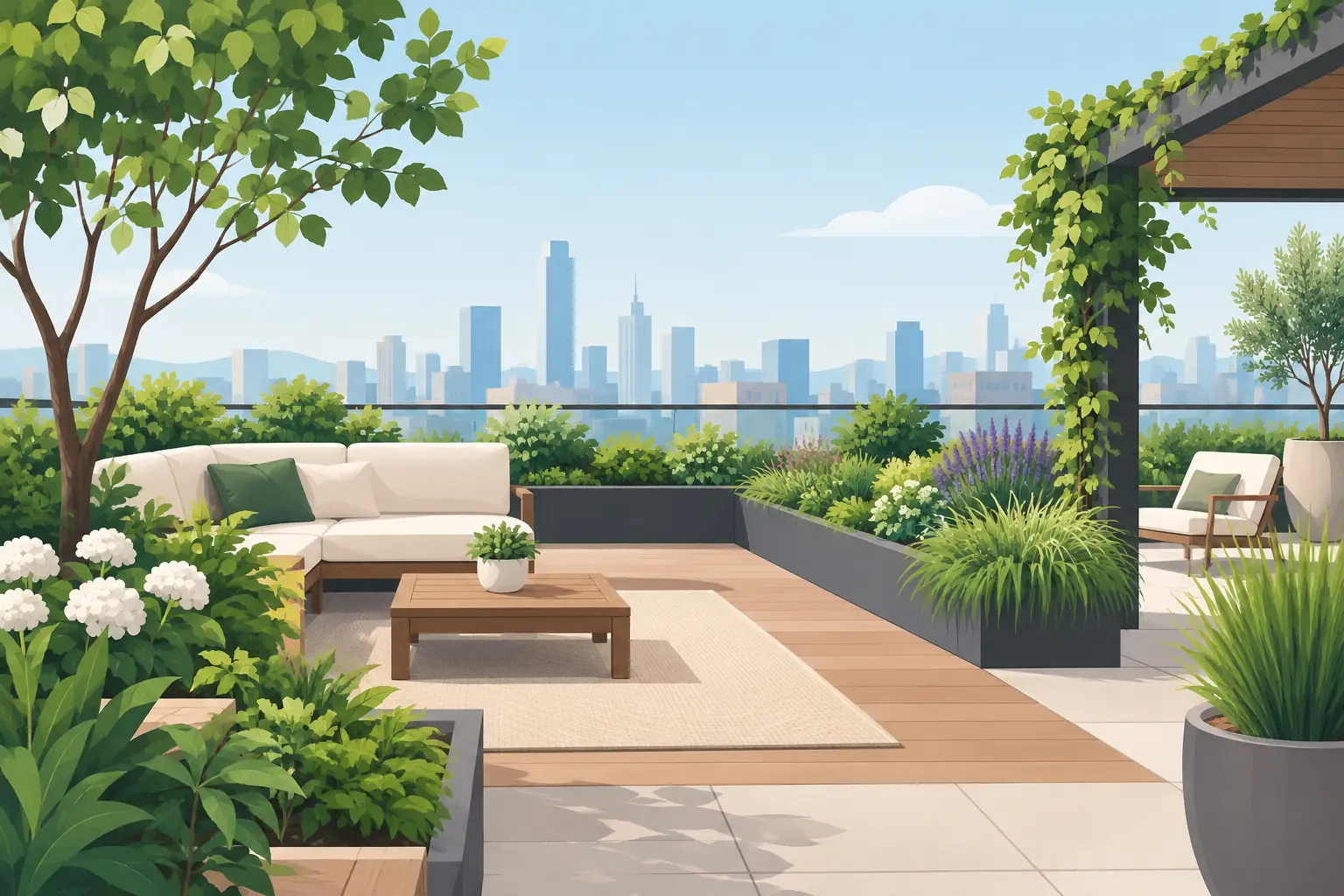
Courtyard gardens often benefit from vertical planting, integrated seating and materials that reflect light gently rather than harshly. Larger family gardens may need stronger zoning, with separate areas for entertaining, play and retreat. Roof gardens and compact urban spaces usually demand especially careful decisions around weight, access, exposure and planting resilience.
Why local context should shape the design
Gardens in Suffolk and Cambridgeshire are not all the same, but regional context still matters. Light levels, wind exposure, local soil conditions and the style of surrounding architecture can all influence what feels appropriate and what will perform well.
A garden should belong to its setting as well as to its owner. That does not mean it needs to be traditional, but it should feel connected to the property and the wider landscape. Materials, boundary treatments and planting palettes all play a part in that sense of fit.
For homeowners, this often translates into something simple: the finished space feels right. Not borrowed from a trend, not overdesigned, and not likely to date quickly.
Working with a clear process
Most successful bespoke projects move through three broad stages: consultation, design and planning, then build. The value of this process is not bureaucracy. It is clarity.
Consultation helps define the brief properly, including budget, lifestyle priorities and practical concerns. Design and planning turn those ideas into a workable scheme, resolving circulation, materials and planting before construction begins. The build phase then brings the design to life with consistent oversight and attention to detail.
This staged approach also makes decision-making calmer for the client. Instead of reacting to problems as they arise, you are moving through a plan with purpose. That tends to produce better results and a far more enjoyable experience.
A guide to bespoke garden transformations for long-term living
The most valuable gardens are the ones that continue to suit you after the novelty has worn off. They remain easy to use, pleasing to look at and supportive of the way you live. That is why bespoke transformation is less about chasing impact and more about creating lasting alignment between people, place and purpose.
At its best, a garden becomes part of the rhythm of home life. It offers somewhere to gather, somewhere to pause, and somewhere to reconnect with the outdoors without adding more demands to an already full week. For homeowners who want beauty with meaning, that is where real transformation begins.
If you are planning changes to your outdoor space, it helps to think beyond what you want the garden to look like and focus on what you want it to make possible. That question usually leads to better design, better decisions and a garden you will genuinely want to spend time in.


Comments